
FluxLine
Get your Assessments in weeks, not months.
why fluxline
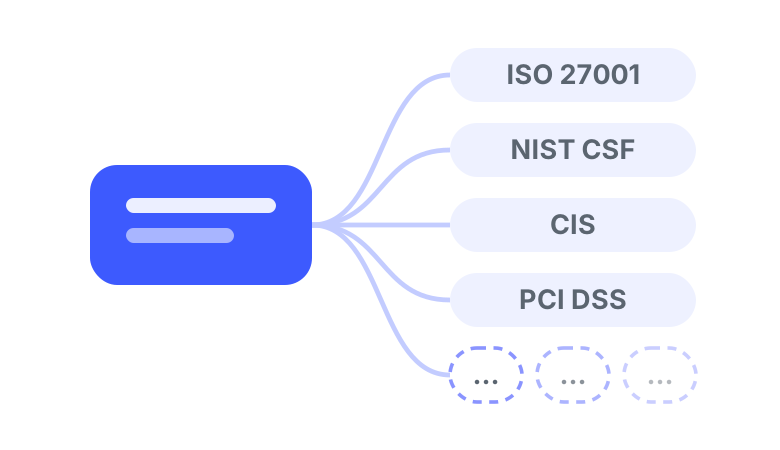
Multi-framework coverage
One assessment, every framework - ISO 27001, NIST CSF 1/2, NIS2 or any customer framework.
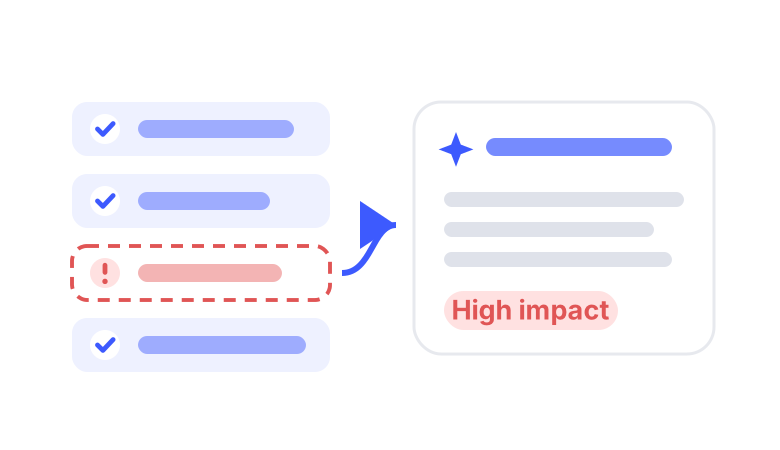
AI-driven gap analysis
Plain-English explanations of what is missing and why it matters.
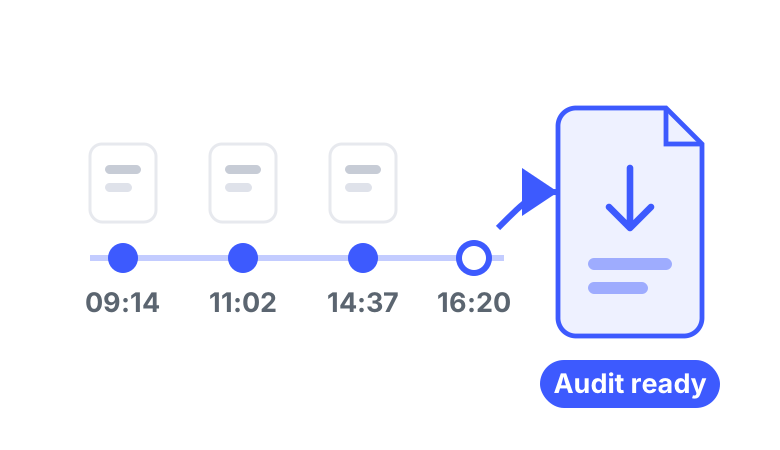
Audit-ready evidence trail
Time stamped, exportable, and ready for your QSA on day one.
Build the assessment
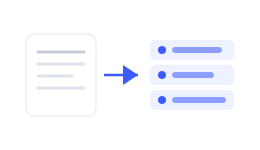
Framework ingestion
Any framework, ingested clean
Drop in NIST CSF 2.0, ISO 27001, CIS Controls v8, CMMC 2.0 or GDPR. Agents parse the controls and build a structured question set, ready to assess.
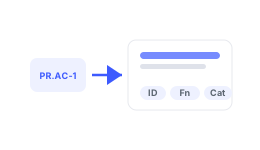
Question architect
Questions that actually fit
Raw controls become interview-ready questions, each mapped to control ID, function area and category, in the language your stakeholders speak.
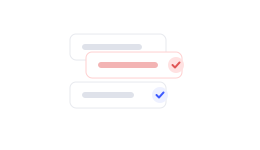
Consistency auditor
No two questions fighting
Overlaps, gaps and contradictions get caught before a stakeholder ever sees them, so every assessment holds together.
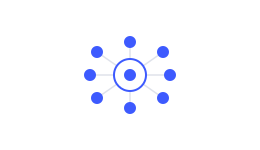
Stakeholder facets
The right person, the right question
An eight-facet model captures who each stakeholder is and what they can speak to, so questions land with the people who can actually answer them.
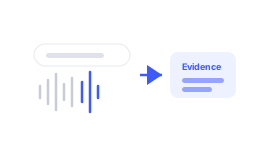
Transcript analyst
Interviews, not homework
Talk to stakeholders like people. Agents pull evidence and maturity signals straight from the conversation, no forms to fill in afterwards.
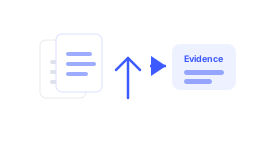
Evidence library
Back it with documents
Upload policies, network diagrams and prior audits to support the interviews. Agents read them and tie the evidence to the controls it speaks to.
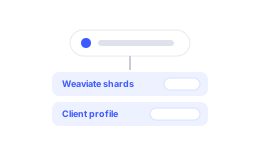
Ask
Ask anything, grounded in the client
A two-layer memory holds everything each client has told you, so answers stay tied to this engagement rather than generic advice.
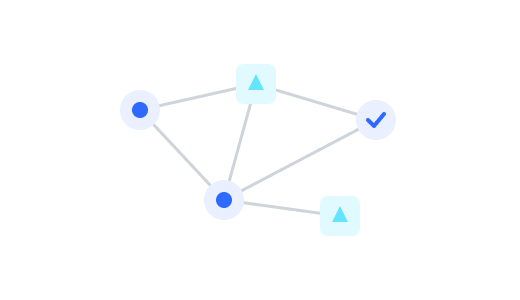
Threat modelling
See the threats, not a spreadsheet
Map assets, threats and controls on a live canvas. Graph and relational queries surface the attack paths that matter most.
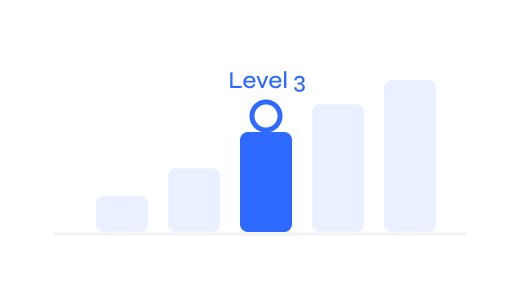
Flexible maturity scoring
Scored your way
Use a CMMI-style scale out of the box, or bring your own model. Either way, progress is measurable, comparable and easy to defend across assessments.

Frozen artefacts
Reports you can defend
Every report is generated from a frozen artefact. The same inputs give the same output, every time, and it stands up in an audit.
Signal
Knowledge that compounds
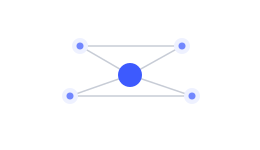
Signal analyses every engagement you have permission to access and turns what it learns into reusable knowledge for future assessments. That knowledge is shared only with team members trusted and provisioned for that specific customer, and strict scope isolation means no client's data ever crosses the wall.
The data wall
Shared knowledge, private data
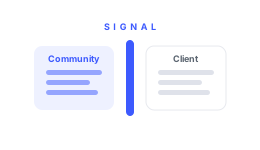
Signal holds a shared Community section, walled off from each Client. Community knowledge is reusable across engagements, while a hard data wall, enforced by the database itself, keeps client data firmly on its own side.
Security
Secure by architecture
Per-tenant shards, scope isolation enforced at the schema level and a full artefact trail mean security is designed into FluxLine, not bolted on after the fact.
Freqently Asked Questions
Most cyber maturity assessments take months of manual interviews, spreadsheets, and report-writing. FluxLine ingests your chosen framework, generates interview questions tailored to each stakeholder (IT gets different questions than legal), and turns uploaded meeting transcripts into a scored evidence pack and final report — compressing the timeline from months to weeks.
ISO 27001, NIST CSF 1/2 and NIS2 out of the box, plus support for bespoke or internal frameworks if you need to assess against something custom.
Every report is snapshotted at the point it's generated, so the underlying AI output can't drift or change if you regenerate it later — what you review and sign off on is what stays on record.


Assessment in weeks, not months. see it on your framework.
We work with business, technology, and security leaders to align strategies, modernise defences, build resilience and stay ahead of risk — discreet, AI-enabled, human-led, grounded in experience.